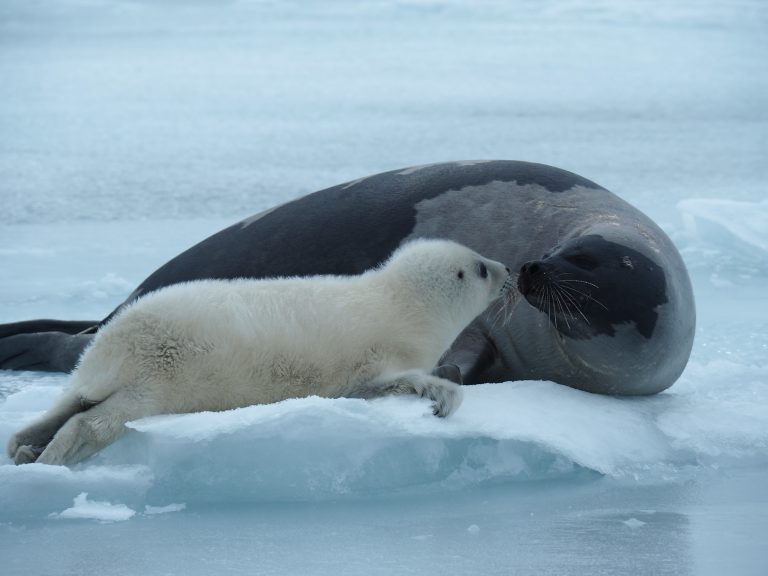
The pups of the ice-dependent Harp Seal (Pagophilus groenlandicus) are the ultimate seal babies with a key role in wildlife protection.
Seal Scoop
Habitat
Icy waters of Greenland, Northern Scandinavia, North-east Canada and Northern Russia
Size & Weight
Both males and females between 1,6-1,9 m, with males being on the larger side of the scale. Weighing up to 140 kg
Status
Near threatened; faces threats because of melting sea ice causing habitat loss. Other threats are pollution and commercial fishing/hunting.
Why do harp seals need our help?
Climate Change: global warming causes sea ice to melt. Sea ice is very important for harp seals because it’s the place where the give birth, nurse their young, and molt; a lack of ice results in high death rates for pups, which may drown or get hypothermia.
Fishing: Commercial fishing/hunting, bycatch, overfishing and entanglement. It causes lots of stress, injuries and sometimes even deaths.
Pollution and ship strikes: In these busy passways in the Artic, ships may injure seals by hitting them. Chemical pollutants, including oil spills and microplastics, get in their bodies, affecting their immune and reproductive systems.
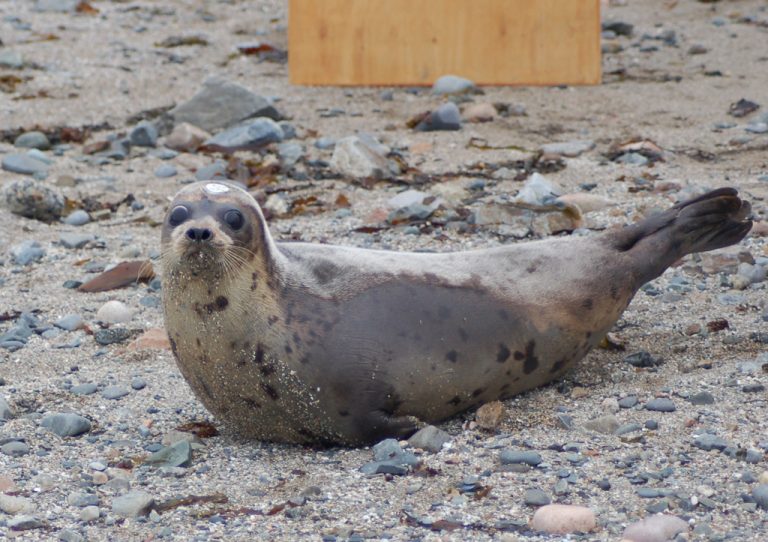
Human disturbance and substrate eating: When harp seals travel south and haul out, they often eat substrate when they are stressed. In their usual habitat, this would result in ingesting snow (meaning hydration), but further south they eat sand or rocks, impacting their digestive system. They need to be quickly treated to pass the substrate.
Who helps harp seals?
Females mature sexually at an age of 4-7 years old, while males are sexually mature at 7-8 years old. The average lifespan of a harp seal is around 30 years old.
The diet of harp seals consists of fish but also krill! Crude filter feeding the krill is made possible by the shape of their teeth, using a sucking method to draw in water and filter the krill.
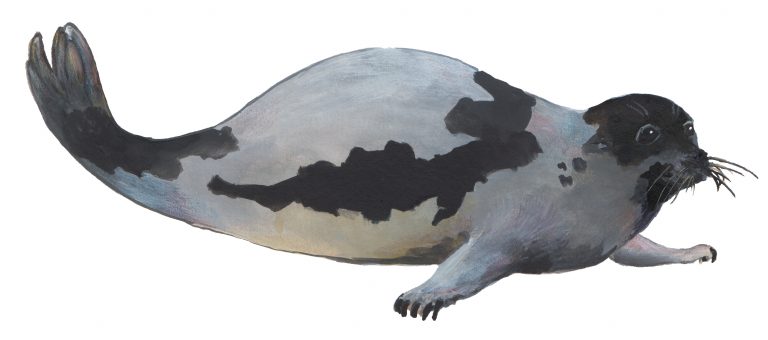
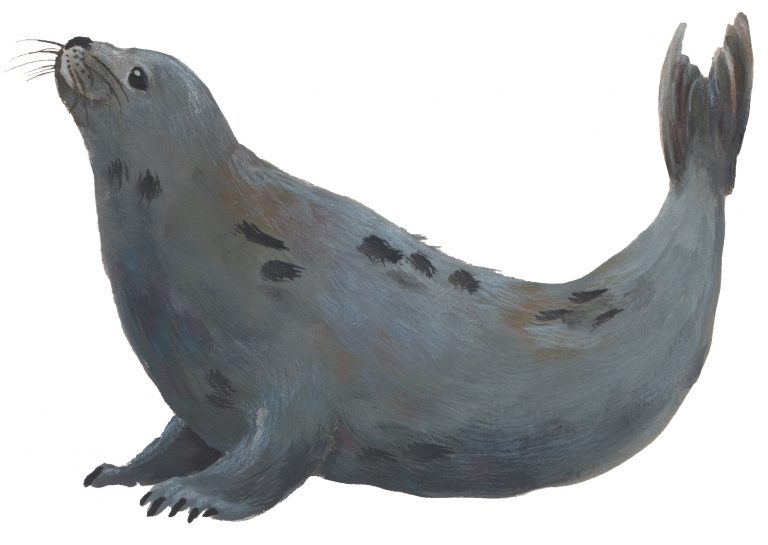
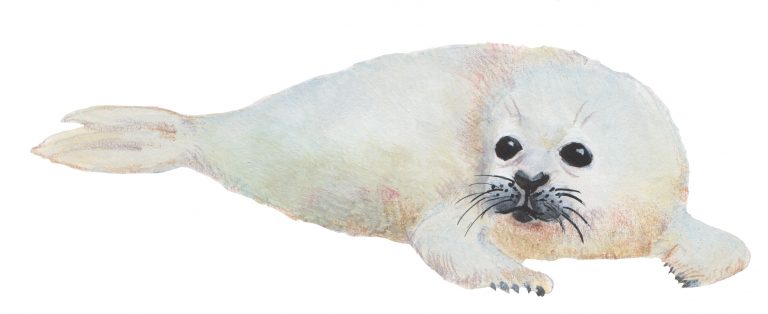
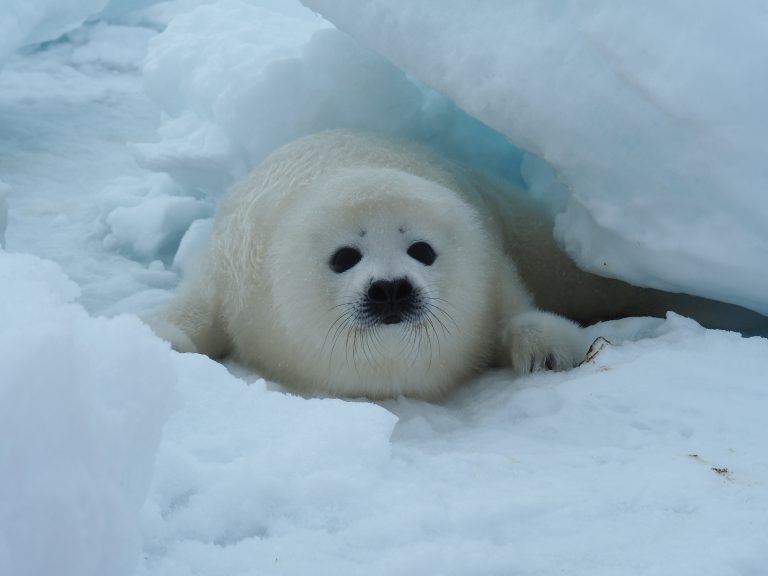
Harp seal pups have a thick white coat called a lanugo for the first 3-4 weeks of their lives. This fur molts away into their grey juvenile fur with dots, and later their adult fur with the “harp” pattern. The function of the lanugo is keeping the seal warm, but as a downside it’s not ideal for swimming, so the pups tend to stay out of the water.
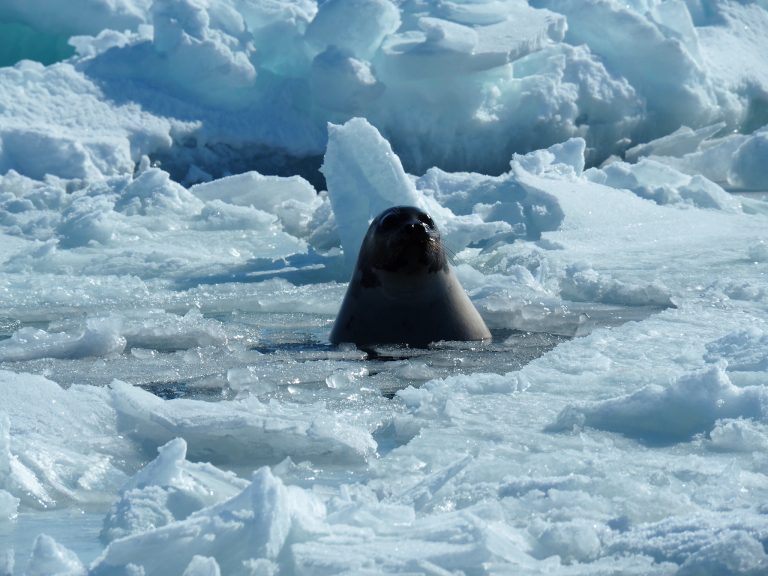
Harp seals can be seen doing a ”bottling posture”: the seals place their body vertically in the water, and this is used to either rest/sleep, or just for fun. When they sleep, they have only their heads above the water, but when its for fun, more of the neck and belly comes out and they start to wiggle their body.
Harp seals are a migratory species and spend the majority of their time in open water. They only come onto the pack ice for pupping (and molting).
The fluffy “whitecoat” harp seal pups became a global icon for wildlife protection in the 1970s, inspiring a major campaign against commercial seal hunting. The campaign led to a global collapse of the market for harp seal pup pelts, and to a ban of hunting whitecoat pups. Juvenile harp seals are still hunted commercially today.