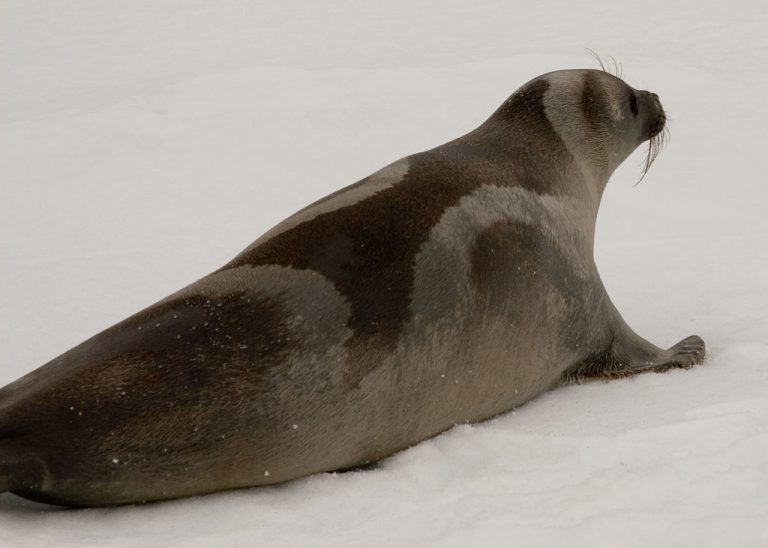
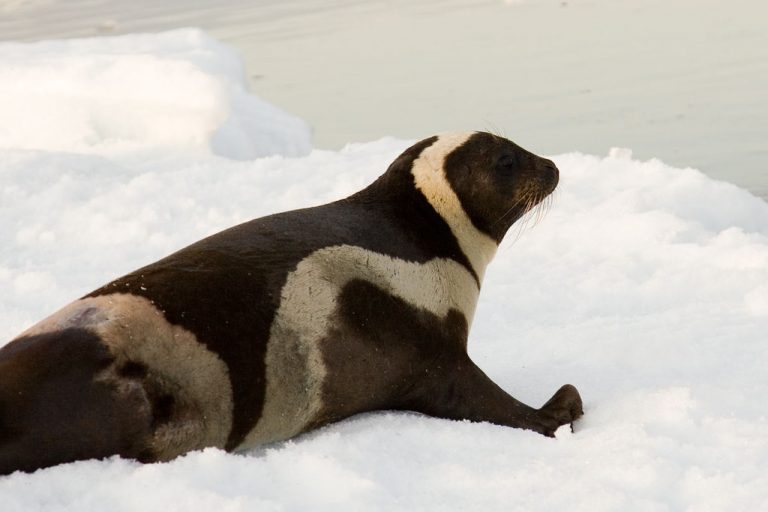
The Ribbon seal (Histriophoca fasciata) is a unique looking seal with a fascinating band pattern on its fur.
Seal Scoop
Habitat
Icy waters of the northern Pacific Ocean; Bering Sea
Size & Weight
Both male and female are ~1.9 meters long, and between 72-148 kg in weight
Status
Least Concern: threatened by climate change which decreases the amount of ice.
Why do ribbon seals need our help?
Climate Change & Habitat Loss is the most critical threat due to the importance of sea ice in the Bering, Okhotsk, and Chukchi seas. Accelerated warming causes the ice to melt before pups are fully weaned, impacting survival rates of these seals.
Industrial Development & Shipping: increased Arctic shipping and oil/gas exploration threaten to disturb seal habitats. These activities also elevate risks of oil spills and toxic contamination.
Commercial Harvest: while not allowed in the U.S., commercial hunting of ribbon seals is permitted in Russia. Past high-level harvesting caused significant population reductions.
Bycatch: Ribbon seals are occasionally taken incidentally in commercial fishing operations, such as groundfish trawls and salmon gill nets, which causes a lot of stress or injuries.
Who helps ribbon seals?
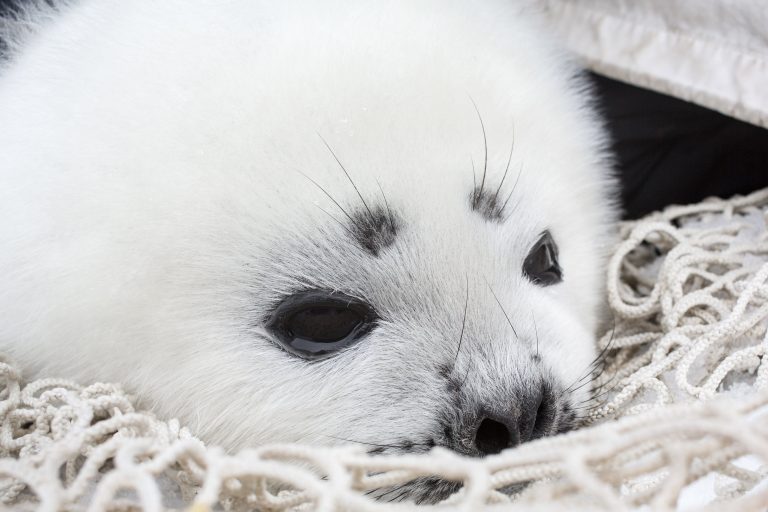
When Ribbon seal pups are born, they have a thick white coat for 4 weeks, called lanugo. It is replaced by a silvery-grey juvenile coat, and with each annual molt, their trademark ribbons develop a little bit further!
Ribbon seals have a unique air sac structure not found in other seals. The trachea or windpipe is connected to an air sac which lies outside the ribs on the right side of the body and is present in both sexes (mostly males). Its function is unknown, but it may be involved in sound production or act as a floating device during diving or floating at the surface.
Ribbon seals can dive up to 600 meters and for 30 minutes! They have another special features that are related to deep diving, such as heavier internal organs and the highest red blood cell count, blood volume, and hemoglobin content of all seals. Perfect for some deep dives!
Ribbon seals have a unique way of moving on land. Instead of the typical true seal “caterpillar” motion, ribbon seals lift their bodies high off the ice using their front flippers, and glide in over the ice an undulating motion by rotating their torso.
The scientific name of the ribbon seal Histriophoca fasciata means “banded actor-seal”, with histrio meaning actor, alluding to its dramatic appearance. And fasciata refers to its bands or ribbons!